Buying in Ballard can feel like choosing between two very different versions of city living. One option may give you a more ground-level, house-like experience. The other may offer a simpler footprint with more shared systems and amenities to understand. If you are comparing Ballard townhomes and condos, this guide will help you sort through the tradeoffs, ask smarter questions, and focus on what matters most before you write an offer. Let’s dive in.
Why Ballard Feels Distinct
Ballard stands out for its waterfront setting, maritime roots, and historic commercial core. It is also one of Seattle’s fast-growing urban villages, which means you will see a mix of older buildings, newer development, and plenty of variation from block to block.
That mix is part of Ballard’s appeal, but it also means you cannot make easy assumptions based on neighborhood name alone. Two homes just a few streets apart may offer very different layouts, parking setups, outdoor space, and ownership structures.
Townhomes vs. Condos in Ballard
Before you compare listings, it helps to understand the basic difference in how these homes often function in Seattle.
Ballard Townhomes: More House-Like Living
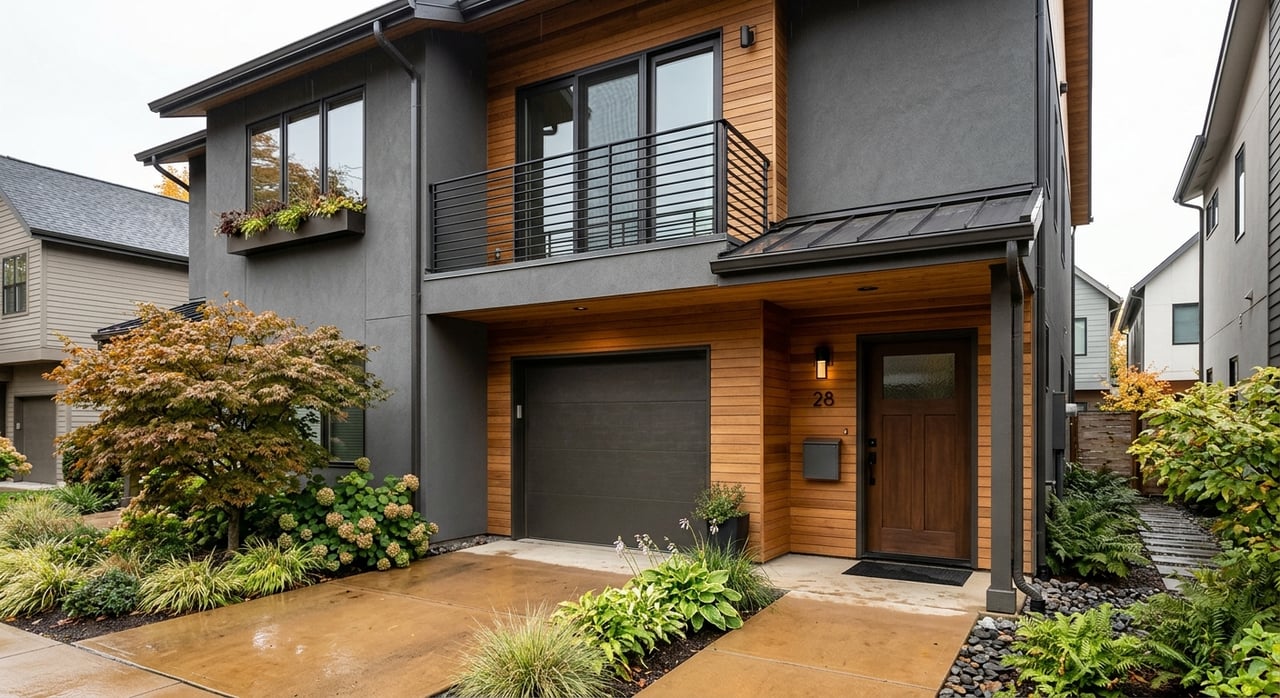
Seattle guidance describes townhouses as homes with separate entrances and no more than three stories under the residential code. A common local pattern is roughly 1,000 to 1,400 square feet, often arranged over three levels and built in clusters of four to eight units.
Many Ballard townhomes include garages under the unit, small fenced front or rear yards, and compact decks off the kitchen, dining area, or primary suite. In practical terms, they often feel more private and more connected to the ground than a condo does.
Many Seattle townhomes are also created through unit-lot subdivision. That can mean you own the land beneath your home rather than owning a condo unit within a larger common-interest building, which often adds to the more house-like feel.
Ballard Condos: Shared Systems and Compact Layouts
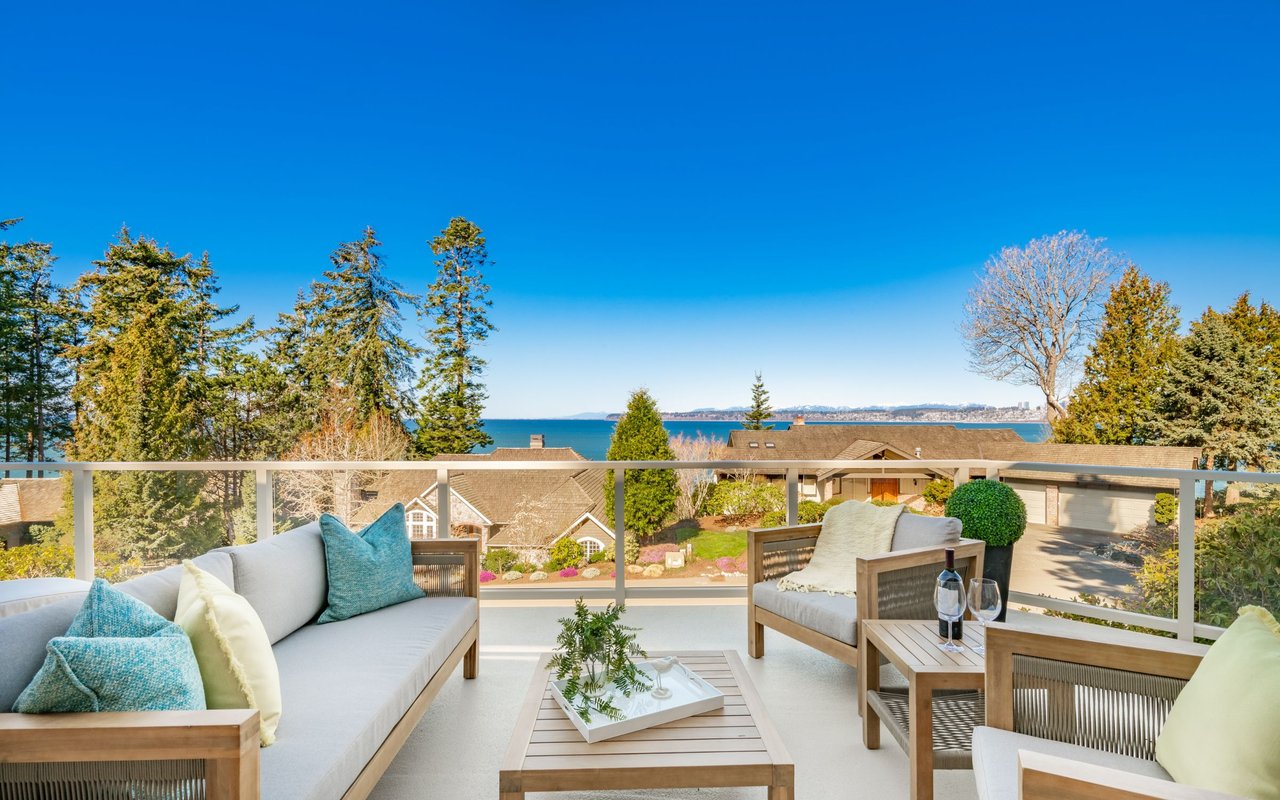
Condos in Ballard often put more emphasis on shared elements and association governance. Instead of a private yard, your outdoor space may come in the form of a balcony, roof deck, or shared rooftop area.
That setup can work well if you want a lower-maintenance lifestyle or a more compact footprint. Still, it also means you will want to pay close attention to the building itself, how it is managed, and what you are collectively responsible for with other owners.
Why the Choice Is More Than Price
Buyers sometimes start by comparing monthly costs or square footage, but lifestyle fit matters just as much. Townhomes are usually the more private, ground-related option in Ballard. Condos usually involve more shared systems, more building-wide governance, and different day-to-day tradeoffs.
If you like the idea of direct entry, separated floors, and a garage below, a townhome may feel more natural. If you prefer a simpler layout and are comfortable with shared decision-making, a condo may be a better fit.
What to Look At Beyond the Listing Photos
Photos can show finishes and natural light, but they rarely tell the full story. In Ballard, the smarter comparison usually happens behind the scenes.
Parking and Access Matter in Ballard
Parking is not a small detail here. SDOT has reported very high demand for on-street parking in Ballard, including midday occupancy above 90% in some areas, and the city has added paid parking and other curb-management tools in response.
That makes off-street parking and access worth a close look. In a townhome, pay attention to whether the garage is easy to use, whether the space is tandem, how alley or driveway access works, and how much of the site is devoted to vehicle circulation.
In a condo, ask what parking is assigned, whether it is inside or outside the structure, and how daily access actually feels. A parking space that looks fine on paper can function very differently in real life.
Outdoor Space Should Match Your Routine
Outdoor space often looks different in townhomes and condos, and your daily habits should guide the decision. Seattle planning materials note that townhouses commonly pair interior living space with small fenced yards and small decks.
That can be meaningful if you want space for container gardening, pets, or simply stepping outside without using a shared hallway or elevator. Condo living usually asks a different question: is a balcony, roof deck, or other modest outdoor area enough for how you actually live?
Building Quality Deserves a Closer Read
Ballard includes historic fabric, infill development, and buildings of different eras, so quality can vary widely. Seattle design guidance focuses on how buildings fit their surroundings, including frontage, access, materials, landscaping, and open space.
The Ballard-specific design supplement also emphasizes durable materials that age well. As a buyer, that is a useful lens. You are not just looking at style. You are looking at how the building may hold up over time and how thoughtfully it was put together.
Why Age and Conversion Status Matter
In Ballard, you may come across newer construction, older multifamily buildings, and conversion condominiums. That range is normal for a neighborhood with long-built fabric and ongoing redevelopment.
A conversion condo is simply not the same thing as brand-new construction, and neither is automatically better. What matters is understanding what the building started as, what was updated, and how that history affects layout, systems, and maintenance.
Washington law requires specific notice and public-offering-statement timing when tenants are asked to vacate for a condominium conversion. For buyers, conversion status can be a useful clue that a building may have an older or repurposed origin. It is worth verifying rather than guessing.
Documents That Tell the Real Story
If a Ballard condo or condo-style townhome has an HOA, the resale documents often reveal more than the unit itself. This is where you start to see the financial and maintenance posture of the property.
Washington’s resale-certificate law requires disclosure of important details, including current and delinquent assessments, special assessments, certain repair costs, reserve-study status, financial statements, the operating budget, insurance, judgments, code violations, and board minutes.
That gives you a practical window into how the community is run. You can learn whether the association appears proactive, whether major costs may be on the horizon, and whether the monthly dues are supported by a clear operating picture.
Washington law also gives a purchaser five days to cancel after first receiving the resale certificate. That makes prompt, careful review especially important once those documents arrive.
A Smart Ballard Buyer Checklist
When you are weighing a Ballard condo or townhome, these are some of the most useful questions to ask:
- Is this a townhouse, a condo, or a townhome with condo-style governance?
- Do you own the land beneath the home, or only the unit interest?
- How does parking work day to day?
- Is outdoor space private, shared, or minimal?
- What do the HOA documents say about reserves, repairs, and assessments?
- Is the building newer construction, an older building, or a conversion?
- What do Seattle permit records show about alterations, envelope work, or additions?
- Do the layout and access support your everyday routine?
These questions may sound simple, but they can quickly sharpen your decision-making. In Ballard, the right fit often comes down to details that are easy to miss in a fast-moving search.
How to Compare Homes with More Confidence
A good Ballard search is not just about finding the nicest kitchen or the best roof deck. It is about understanding how the home lives, how the property is structured, and what ownership will actually feel like after move-in day.
That is where calm, local guidance matters. When you compare townhomes and condos through the lens of parking, access, outdoor space, building history, and document review, you give yourself a much better chance of choosing a home that fits both your budget and your daily life.
If you are considering a move in Ballard and want a clear-eyed, strategic read on which homes deserve a closer look, Dorothee Graham can help you evaluate the options with the kind of neighborhood context and steady guidance that make the process feel far more manageable.
FAQs
What is the main difference between a Ballard townhome and a Ballard condo?
- In Ballard, townhomes are usually the more private, ground-related option with separate entrances, while condos usually involve more shared elements, shared systems, and HOA governance.
What outdoor space is typical for Ballard condos and townhomes?
- Ballard townhomes often include small fenced yards and compact decks, while Ballard condos more often offer balconies, rooftop decks, or shared outdoor areas.
Why should Ballard buyers pay close attention to parking?
- Parking demand in Ballard is high, so buyers should look closely at garage layout, tandem parking, alley access, assigned spaces, and how easy daily access will be in practice.
What should Ballard condo buyers review in HOA documents?
- Buyers should review assessments, special assessments, reserve-study status, repair costs, financial statements, the operating budget, insurance, judgments, code violations, and board minutes.
Why does conversion status matter for a Ballard condo purchase?
- Conversion status can signal that a building has an older or repurposed origin, which may affect layout, systems, and maintenance history, so it is important to verify rather than assume.
How can Ballard buyers research a building’s history?
- Buyers can use Seattle permit and records resources to review permits and historical plans, which can help clarify additions, envelope work, and major alterations over time.