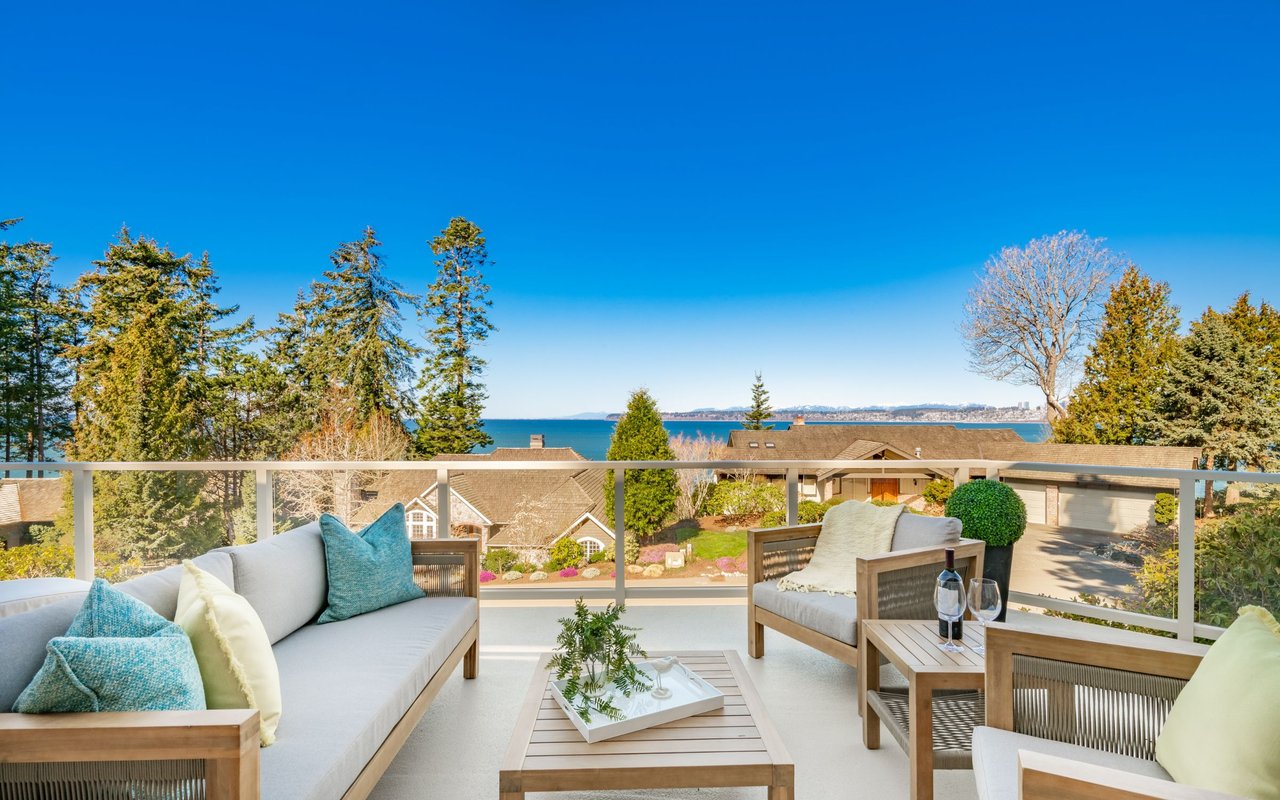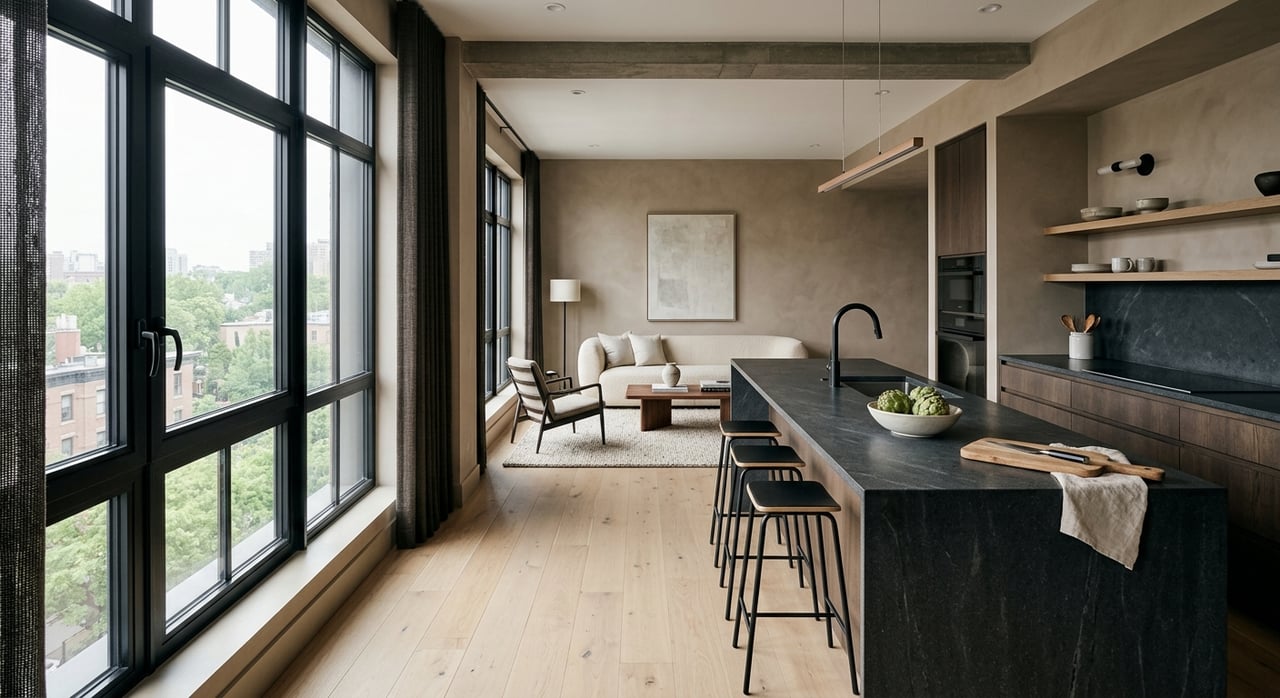
Looking for a condo in Capitol Hill that feels as good as it looks? In this part of Seattle, design is not just about finishes or a stylish lobby. It is about how a building meets the street, how light moves through the unit, what your windows face, and how the pace of the block fits your life. If you want to buy with a sharper eye, this guide will help you sort through Capitol Hill’s layers and focus on what matters most. Let’s dive in.
Why Capitol Hill Feels Different
Capitol Hill sits within Seattle’s First Hill/Capitol Hill regional center, a centrally located area the City describes as a hub for nightlife, urban living, and major institutional campuses. Many residents walk, bike, or use transit for daily needs, and the neighborhood is served by Link light rail and the First Hill Streetcar. That creates a distinctly urban, connected feel that stands apart from more car-dependent condo markets.
The neighborhood also has a more varied physical character than many buyers expect. Seattle’s design guidance breaks Capitol Hill into commercial corridors like Broadway, 15th Avenue East, East John and East Olive Way, and 12th Avenue East, along with residential subareas such as the West Slope and East Core. In practical terms, one condo can feel lively and public-facing, while another just a few blocks away feels more tucked in and quiet.
For design-minded buyers, that mix is part of the appeal. Capitol Hill is not one-note. It blends historic fabric, mixed-use development, pedestrian energy, and smaller residential pockets in a way that rewards careful block-by-block, building-by-building comparison.
What Design-Minded Buyers Notice
In Capitol Hill, good design often shows up in the details you feel before you name them. Seattle’s neighborhood design guidelines emphasize streetscape quality, pedestrian orientation, building character, open space, residential privacy, landscaping, and compatibility with surrounding scale. Those planning ideas translate directly into buyer experience.
When you tour condos here, pay attention to features like:
- Entry experience from the sidewalk to the lobby
- Window placement and how much natural light reaches the living space
- Facade character and how the building fits its immediate surroundings
- Privacy from neighboring buildings and street activity
- Shared outdoor areas such as courtyards or landscaped setbacks
- Upper-floor setbacks that can create better light, outlook, or separation
These are not minor details. In a dense urban neighborhood, they shape whether a home feels calm, bright, and functional or boxed in and overstimulating.
Light and Outlook Matter More Than You Think
Interior finishes can catch your eye first, but light and outlook usually have a bigger impact on daily life. Capitol Hill’s design guidance specifically references preserving view corridors to downtown Seattle, the Space Needle, Elliott Bay, and the Olympic Mountains. That means the view from a unit is not a small bonus. It is often central to how the space lives.
Upper-floor units, corner units, and homes facing courtyards or open space may offer a greater sense of breathing room. Some condos will frame skyline or mountain views, while others may mainly face nearby buildings or mature trees. Neither is automatically better, but the experience is different enough that you want to know exactly what your windows look onto before you decide.
During a showing, one of the smartest questions you can ask is simple: What do the windows actually face? That answer can tell you more than the address alone.
Street Exposure Changes the Feel
Capitol Hill is a neighborhood of active streets and quieter pockets. The City describes it as an urban-living and nightlife hub, and Broadway is one of its most prominent public main streets. If you love energy, convenience, and a front-row urban experience, that can be a strong plus.
Still, location within the neighborhood matters. Condos directly on busy commercial corridors may feel more vibrant and more exposed to street activity. Units set back on side streets, above interior courtyards, or on higher floors may feel more removed from the pace below.
This is where design-minded buying becomes practical. The goal is not to label one setting as better. It is to match the building and unit to the kind of environment you want to come home to every day.
Transit Is Part of the Design Equation
For many Capitol Hill buyers, transit access is not just a convenience. It is part of the lifestyle and value proposition. Capitol Hill Station at 140 Broadway E is served by Sound Transit’s 1 and 2 Lines, with nearby King County Metro bus service and a First Hill Streetcar connection at Broadway and Denny.
There is no parking at the station, though bike lockers are available. That reinforces what many buyers already sense in this neighborhood: Capitol Hill often works best for people who want a car-light way of living. If that aligns with how you move through Seattle, proximity to transit may add real day-to-day value.
It also affects how buildings feel. Transit-oriented development around the station has brought larger mixed-use projects with housing, retail, services, and community space into the core of the neighborhood. Buyers often find themselves comparing those newer, amenity-rich buildings with older low-rise condo properties or historic conversions nearby.
Old, New, and In Between
One of the most common mistakes buyers make is treating Capitol Hill as either historic or newly developed. In reality, it is both, plus everything in between. You will find preserved historic areas, pedestrian-oriented commercial streets, and newer transit-oriented projects all within the same broader neighborhood.
The North Anchor District around Broadway and Roy is described in city design guidelines as having historic character, small-scale charm, and a lively cultural scene. On the west slope, the Harvard-Belmont Landmark District is known for tree-shaded streets, open vistas, and early-20th-century homes. Elsewhere, larger mixed-use developments near transit introduce a more contemporary building style and a different scale.
That means your search should stay focused on fit, not broad labels. A beautifully designed older condo may offer character and texture that newer construction cannot replicate. A newer building may deliver a layout, amenities, and low-maintenance lifestyle that suits you better. The right answer depends on how you weigh design, convenience, and long-term comfort.
Historic Character Can Come With Limits
If you are drawn to preserved architecture, it is worth understanding the tradeoff. In designated historic districts, Seattle requires approval for exterior changes. If a condo is in a historic district or includes landmarked elements, visible exterior alterations may be subject to city review.
For some buyers, that is part of the value. It helps preserve the character that made the property appealing in the first place. For others, especially buyers who want future flexibility around windows, facades, or other visible exterior elements, it is an important consideration to explore early.
Read the Building, Not Just the Unit
A beautiful unit can still sit inside a building with issues that affect your costs and peace of mind. In Capitol Hill’s condo market, that makes due diligence especially important. Neighborhood-wide pricing only tells part of the story.
As of April 2026, Realtor.com shows Capitol Hill with about 238 homes for sale, a median listing price near $799,925, and a median 36 days on market. Condo-specific data can look quite different, which is one reason broad neighborhood averages do not always help you evaluate a single building.
Washington condo law makes the resale certificate one of the most important documents in the process. State law requires it to disclose items such as:
- Monthly common assessments
- Unpaid special assessments
- Reserve amounts
- Annual financial statements
- The current operating budget
- Pending lawsuits
- Insurance coverage
- Code violations
- The current reserve study, if one exists
The statute also warns that if there is no current reserve study, buyers may face greater special-assessment risk. In older buildings, or buildings with substantial common elements or deferred maintenance, this deserves close attention.
A Smarter Way to Compare Capitol Hill Condos
When you are sorting through options, it helps to compare each condo through the same lens. Design-minded buyers often get the best clarity by stepping back from staging and asking a few grounded questions.
Use this checklist during your search:
- How much natural light reaches the main living areas?
- What do the primary windows face?
- How much street activity do you hear or feel from inside?
- Does the building’s design create privacy from neighbors?
- Is the block more commercial, residential, or mixed?
- How close are you to light rail, bus lines, or the streetcar?
- Is the building older, newer, or a historic conversion?
- Are there any historic-district or landmark-related restrictions?
- What do the reserves, assessments, and financials say about building health?
This kind of framework keeps you focused on lasting value, not just first impressions. It also makes it easier to compare very different properties fairly.
Buying With Clarity in Capitol Hill
Capitol Hill rewards buyers who look closely. The neighborhood’s appeal comes from its mix of transit access, strong street life, varied architecture, and design detail, but those same strengths can play out very differently from one building to the next. The best condo for you is usually the one where light, layout, outlook, street exposure, and building governance all line up.
That is where local perspective matters. A calm, building-specific read can help you separate what looks good online from what will actually feel right once you live there. If you are exploring Capitol Hill condos and want a strategic, design-aware approach, Dorothee Graham can help you compare options with clarity and confidence.
FAQs
What makes Capitol Hill condos different from other Seattle condos?
- Capitol Hill combines transit access, active commercial corridors, quieter residential pockets, historic areas, and newer mixed-use development, so condos can feel very different from one block or building to the next.
What should design-minded buyers look for in a Capitol Hill condo?
- Focus on natural light, window outlook, privacy, street exposure, building character, open space, and how the building fits its surroundings.
How important is transit access for Capitol Hill condo buyers?
- Transit is a major part of the neighborhood’s appeal because Capitol Hill Station serves the 1 and 2 Lines, with nearby bus service and a First Hill Streetcar connection.
Are busy Capitol Hill streets too noisy for condo living?
- Some condos on major commercial corridors may feel livelier than units on side streets, above courtyards, or on higher floors, so it is important to assess street exposure in person.
What should buyers review before purchasing a Capitol Hill condo in Washington?
- Buyers should carefully review the resale certificate for assessments, reserves, financials, insurance, pending suits, code issues, and the reserve study if one exists.
Do historic Capitol Hill condos have renovation restrictions?
- If a condo is in a designated historic district or includes landmarked elements, visible exterior changes may require city review and approval.