If you are drawn to Seattle neighborhoods that feel both close-in and quietly tucked away, Laurelhurst tends to stand out fast. You may be looking for water views, usable park space, or simply a neighborhood that feels calm and established without feeling disconnected from daily errands and city life. This guide will help you understand what Laurelhurst living actually feels like, from its hilly streets to its lake access and home styles. Let’s dive in.
Laurelhurst’s Setting Shapes Daily Life
Laurelhurst sits on a hilly peninsula east of the University of Washington, wrapping around the eastern edge of Union Bay on Lake Washington. That geography gives the neighborhood a distinct sense of separation, even though it remains close to major Seattle destinations. In practice, you feel both the water and the elevation here.
The neighborhood also developed differently from many of Seattle’s more rigid grid areas. It was first platted in 1906, annexed to Seattle in 1910, and saw most of its residential growth begin in the 1920s. That history helps explain why Laurelhurst can feel more organic, more winding, and a bit more secluded than newer subdivisions or flatter city neighborhoods.
Views Are Part of the Experience
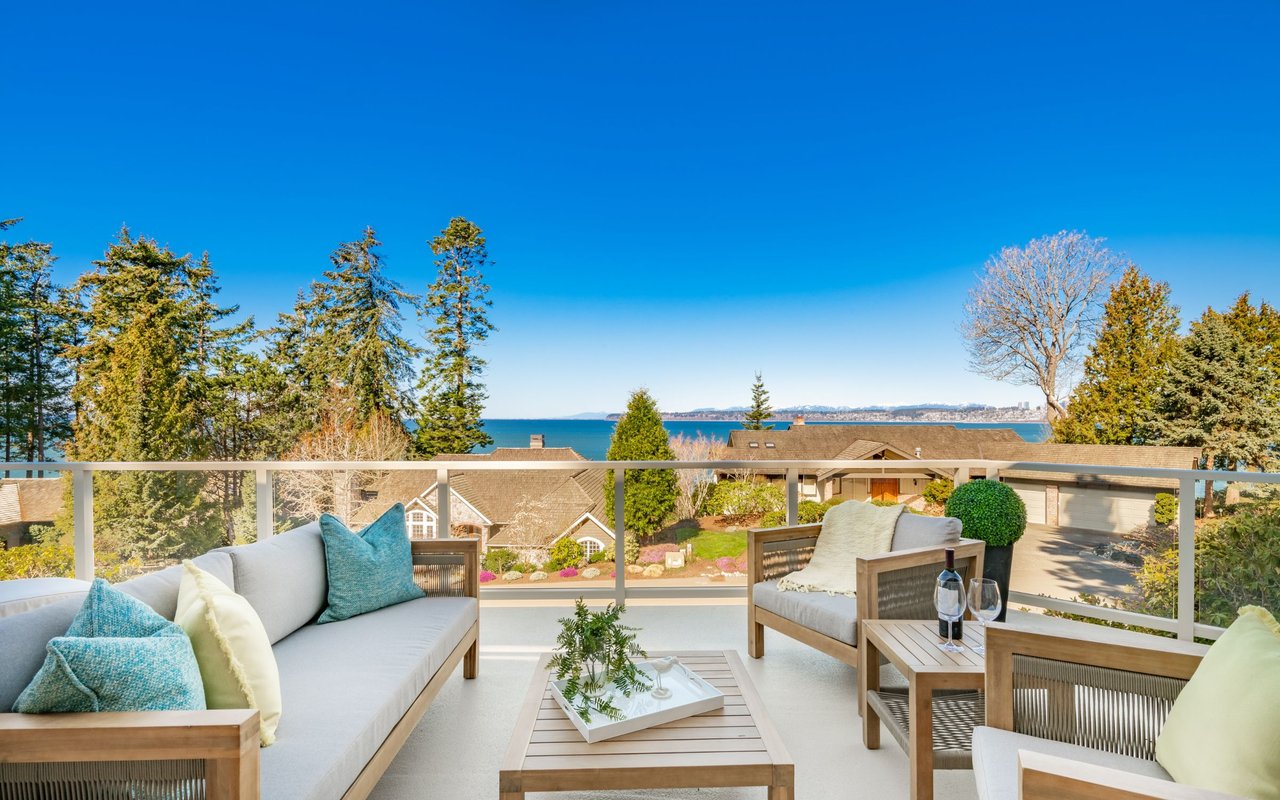
One of the defining features of Laurelhurst is how often the landscape opens up around you. Seattle historic materials describe many homes as oriented toward views of Lake Washington and, in some cases, the Cascades and Mount Rainier. Even when you are not on the shoreline, the neighborhood’s topography often creates a visual connection to the water.
That hilltop quality also shows up in public spaces. The Laurelhurst Community Center sits high above the lake, and Seattle Parks notes its views of Lake Washington as part of the setting. If you like neighborhoods where the scenery is woven into ordinary routines, Laurelhurst delivers that in a very everyday way.
Parks Anchor the Neighborhood
For many residents, the Laurelhurst Community Center and Playfield is the neighborhood’s most important shared space. Located on NE 41st Street, the complex includes ball fields, tennis courts, soccer fields, a children’s play area, meadows, and a walking path around the park. It reopened in Fall 2024 after accessibility improvements, which adds to its role as a central neighborhood asset.
This is the kind of place that supports real daily use, not just occasional visits. You can picture a quick walk, time at the play area, a casual loop around the path, or simply meeting neighbors in a familiar setting. In a neighborhood known for views and private homes, this public park space helps keep community life visible.
Public Waterfront Access Is Real
A common question about Laurelhurst is whether it is truly a waterfront neighborhood. The answer is yes, but with some nuance. Not every home sits on the water, yet public shoreline access is part of the neighborhood experience.
Belvoir Place is one of the clearest examples. It is a small waterfront park with views over Union Bay and hand-carry boat access along the shoreline and dock. It offers a more casual, everyday kind of lake connection that fits the neighborhood well.
Another useful public access point is 51st Avenue NE, a shoreline street end improved by the city with a small gathering area, picnic table, water-viewing space, native plantings, steps to the water, and bike racks. Spaces like this matter because they make the lake feel accessible in a practical way, even if you do not live directly on the shoreline.
Lake Life Comes in Different Forms
Laurelhurst offers a layered version of lake life rather than one single model. Some access is public and low-key, through parks and shoreline street ends. Some of it is organized through private membership.
The Laurelhurst Beach Club, which says it has been part of the neighborhood since 1923, adds another side of neighborhood life with sailing, swimming, paddle and kayak programs, and social events centered on Lake Washington. That does not define the entire neighborhood, but it does help explain why Laurelhurst is often associated with an active lakeside lifestyle.
For you as a buyer, that distinction matters. Laurelhurst is not simply about owning a waterfront property. It is also about living in a neighborhood where water remains part of the visual and recreational backdrop.
Homes Reflect Early Seattle Character
Laurelhurst remains primarily a single-family-home neighborhood. Seattle historic materials describe only a few apartments and commercial buildings, mainly along Sand Point Way NE. That means most of the neighborhood reads as residential, with homes, landscaping, and curving streets shaping the overall experience.
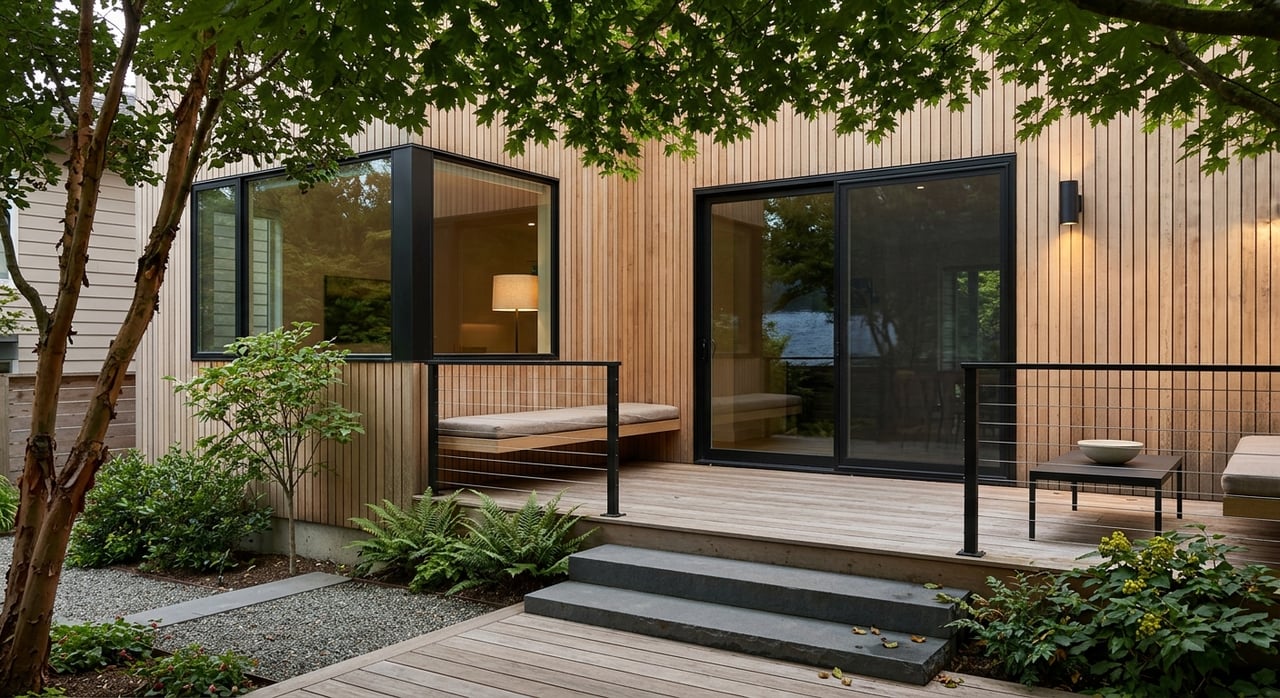
The housing stock is closely tied to the area’s early buildout. Most residential development began in the 1920s, and the neighborhood was nearly built out by 1930. You will commonly find homes from roughly 1915 to 1930 in Craftsman and historic-revival styles, along with some newer one-story homes.
That mix gives Laurelhurst a sense of continuity without making it feel frozen in time. If you appreciate architecture and the way older neighborhoods reveal their history through lot patterns and home design, Laurelhurst has a lot of texture.
Streets Feel Curved, Not Formulaic
Part of Laurelhurst’s appeal is that it does not feel perfectly uniform. Seattle historic sources note that the neighborhood’s steep hill and piecemeal growth created irregularly shaped lots and streets that curve and wind rather than follow a strict square pattern. That physical layout changes how the neighborhood feels when you drive, walk, or explore.
Instead of block after block of repetition, you get a more varied rhythm. A turn in the street may open a new view, reveal a different home style, or create a quieter pocket than you expected. For many buyers, that more organic layout is part of the charm.
Everyday Convenience Is Closer Than It Looks
Although Laurelhurst can feel tucked away, it is not cut off from the rest of the city. Seattle Parks highlights the neighborhood’s proximity to Seattle Children’s, University Village, Magnuson Park, and the University of Washington. That nearby mix shapes daily life in practical ways.
You can think of Laurelhurst as a neighborhood where recreation, errands, and major institutions sit within an accessible everyday radius. That balance often appeals to buyers who want a residential setting without giving up convenience. It is one of the reasons Laurelhurst feels lived-in rather than purely scenic.
Community Life Has Staying Power
Laurelhurst also stands out for its strong neighborhood organization tradition. The Laurelhurst Community Council says it was established in 1920 to improve and beautify the neighborhood and continues to serve as a forum for local concerns, including transportation, land use, and crime prevention. That kind of civic structure gives the neighborhood a visible sense of continuity.
For you, that may show up less as a headline feature and more as an overall feeling. Neighborhoods with active institutions often feel more connected to their own identity. In Laurelhurst, the combination of parks, local gathering places, and longstanding community involvement helps create that effect.
What Makes Laurelhurst Feel Different
No single feature explains Laurelhurst on its own. The neighborhood’s character comes from the combination of hilltop streets, water views, public lake access, a strong park anchor, and a residential fabric shaped by early 20th-century development. Together, those layers create a setting that feels both established and distinctive.
If you are comparing Northeast Seattle neighborhoods, Laurelhurst often appeals to people who want a quieter residential atmosphere, visual connection to the lake, and homes with architectural character. It is not about constant activity or a dense commercial core. It is about a calm, scenic, neighborhood-centered way of living.
Whether you are buying your next home or preparing to sell in Laurelhurst, neighborhood nuance matters. Understanding how views, topography, public spaces, and home styles shape buyer perception can make your decision-making much clearer. If you want thoughtful guidance on navigating Laurelhurst and nearby Seattle neighborhoods, Dorothee Graham is a trusted place to start.
FAQs
Is Laurelhurst in Seattle actually a waterfront neighborhood?
- Laurelhurst includes public shoreline access points such as Belvoir Place and the 51st Avenue NE street end, along with water views throughout parts of the neighborhood, but not every home is directly on the water.
What types of homes are common in Laurelhurst Seattle?
- Laurelhurst is primarily made up of single-family homes, especially homes built during the early 20th century, including Craftsman and historic-revival styles, with some newer homes and limited non-single-family areas along Sand Point Way NE.
What parks and outdoor spaces are important in Laurelhurst?
- The Laurelhurst Community Center and Playfield is a major neighborhood gathering place, and Belvoir Place plus the 51st Avenue NE shoreline access point add everyday lake-oriented outdoor space.
What makes daily life in Laurelhurst feel distinct?
- Daily life in Laurelhurst is shaped by a mix of hilly streets, views of Lake Washington, public park space, nearby access to places like University Village and the University of Washington, and a strong neighborhood community tradition.
Is Laurelhurst a good fit if you want both privacy and convenience?
- Laurelhurst often appeals to buyers who want a tucked-away residential setting while staying close to nearby institutions, parks, shopping, and everyday Seattle destinations.