Selling a Wallingford bungalow is not the same as selling a newer home. Buyers here often notice the very details that make these early-20th-century houses special, from porch character to original trim and built-ins. If you want a strong sale without stripping away the home’s identity, a smart prep plan can help you focus on what matters most. Let’s dive in.
Why Wallingford bungalow prep matters
Wallingford grew rapidly in the first decades of the 20th century, and bungalow and American Foursquare homes became common because they were practical and efficient to build. That history still shapes buyer expectations today. In many cases, original woodwork, porch details, trim, and built-ins are part of the home’s appeal, not just old features to paint over or remove.
That matters in a market where presentation can influence both interest and leverage. As of April 30, 2026, Zillow reported Wallingford’s average home value at $1,109,744, with 49 homes for sale, 22 new listings, and homes going pending in about 9 days. Redfin’s March 2026 snapshot also described Wallingford as very competitive, with a median sale price of $999,950 and homes selling in about 18 to 19 days.
Those numbers are not identical, but they point in the same direction. Wallingford remains a high-value, fast-moving market where condition, pricing, and presentation still matter. If your bungalow still has original materials or period character, that can help it stand out.
Start with repairs and disclosures
Before you think about styling, start with the basics. Small defects like loose doorknobs, leaky faucets, or wall dings may seem minor, but they can cause buyers to worry about larger deferred-maintenance issues. A clean, cared-for house tends to feel more trustworthy from the start.
A pre-listing inspection can also be worth considering if you want a clearer picture of the home’s condition before buyers weigh in. Finding issues early gives you more control over repair choices, timing, and cost. It can also reduce the chance that a buyer’s inspection turns into a stressful round of renegotiation.
In Washington, most residential sellers must provide a disclosure statement based on their actual knowledge. If you later learn that a prior disclosure is inaccurate, you are required to amend it. In practical terms, that means your prep plan should treat visible maintenance and paperwork as part of the same process.
Key repair priorities before listing
Focus first on items buyers will see or test right away:
- Fix leaky faucets and running toilets
- Tighten loose hardware and doorknobs
- Patch wall dings and scuffs
- Replace burned-out light bulbs
- Address obvious trim or paint wear
- Make sure doors and windows operate properly
You do not necessarily need a full remodel. The strongest evidence-based prep steps are targeted repairs, cleaning, decluttering, staging, and quality photography.
Check age-related rules before work begins
Many Wallingford bungalows are old enough to trigger additional requirements. If your home was built before 1978, you must disclose any known lead-based paint or lead hazards before the sale and provide the required federal lead pamphlet. If painting or renovation work will disturb lead paint, that work must be done by EPA-certified firms using lead-safe practices.
If your home is in a Seattle historic district or is a designated landmark, pause before making exterior changes. Seattle requires a Certificate of Approval for exterior changes in historic districts, and painting changes can also require approval for designated landmarks. This does not apply to every Wallingford property, but it is worth verifying before any exterior project begins.
Choose paint that supports resale
Paint is one of the easiest ways to freshen a home, but color choices should support the architecture rather than fight it. Zillow’s 2025 paint research found that some room colors were associated with stronger buyer response, including an olive-green kitchen, a navy-blue bedroom, a dark-gray living room, and a mid-tone-brown bathroom. The same research found that bright yellow kitchens and bright red bedrooms could hurt modeled sale price.
For a Wallingford bungalow, the broader lesson is more important than any single trend color. Buyers often respond best to restrained, period-friendly choices that feel warm and intentional. A bungalow usually benefits from a natural palette that respects its Craftsman roots instead of trying to make it look like a generic flip.
Paint finish matters too
The sheen you choose can be just as important as the color. Matte walls can help hide imperfections, which is especially useful in older homes with less-than-perfect surfaces. Flat white ceilings can make rooms feel larger and brighter, while semi-gloss works well on trim, molding, and door jambs.
By contrast, eggshell and satin can highlight flaws on older walls. In a bungalow with original plaster or patched surfaces, that can work against you. A thoughtful finish schedule helps the home look cleaner and more polished in person and in photos.
Preserve character instead of erasing it
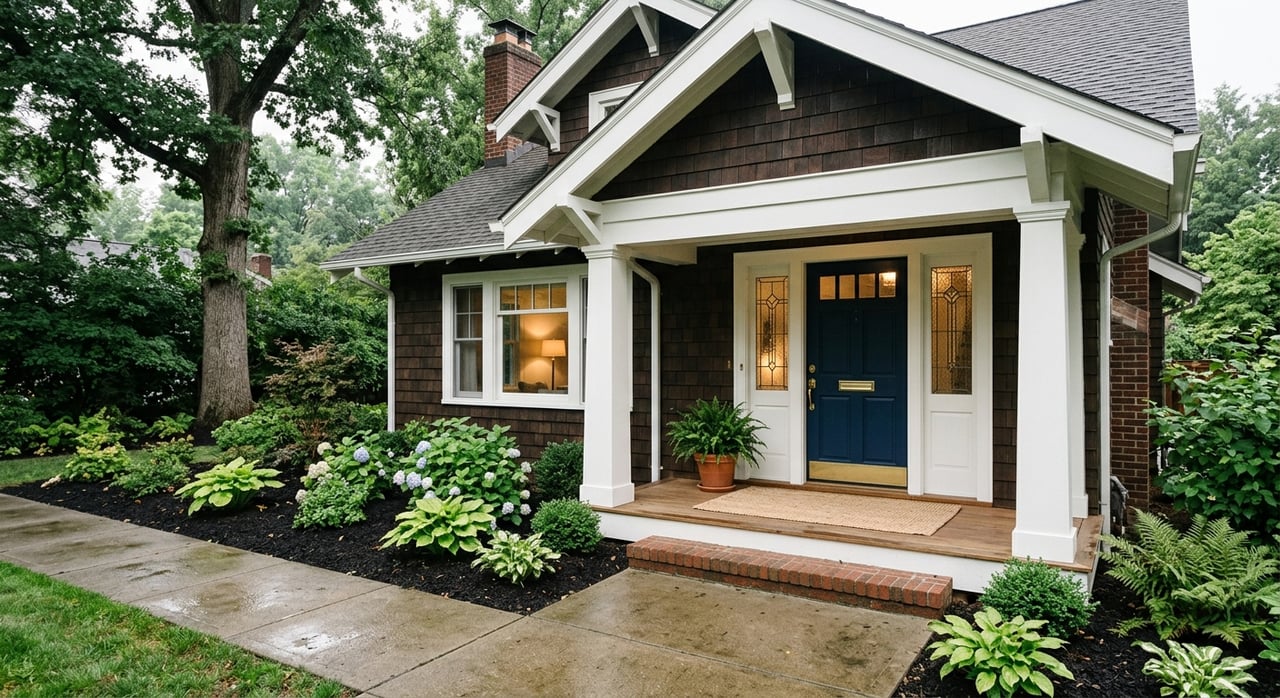
Wallingford has a mix of intact and altered older homes. That means homes that still show authentic character can feel especially memorable to buyers. If your bungalow has original millwork, built-ins, porch elements, or distinctive trim, those features are often worth highlighting.
This does not mean every old detail must remain untouched. It does mean your prep plan should be selective. In many cases, preserving visible character while improving condition is a safer resale strategy than over-modernizing the house.
Features worth highlighting
If your home has them, pay special attention to:
- Original wood trim and molding
- Built-in cabinetry or seating
- Front porch details
- Craftsman-style millwork
- Period doors or hardware
- Warm wood finishes that are still in solid condition
These details can help buyers connect emotionally with the home. They also support the story that this is a well-cared-for Wallingford property, not just another house in a competitive market.
Clean, declutter, and stage strategically
Once repairs and paint are complete, shift into presentation mode. Cleaning, decluttering, and staging are all core parts of making a home marketable. They help buyers focus on the space itself rather than your belongings or unfinished tasks.
Staging can be especially effective. According to the National Association of Realtors’ 2023 staging profile, 81% of buyers’ agents said staging made it easier for buyers to visualize the property as a future home. The same report found that the living room was the most important room to buyers, followed by the primary bedroom, and that the most commonly staged spaces were the living room, kitchen, and primary bedroom.
If your budget is limited, you do not need to stage every room. A targeted approach often makes sense, especially in a bungalow where square footage may be compact and every room needs to feel purposeful.
Best rooms to stage first
If you are prioritizing, start here:
- Living room
- Kitchen
- Primary bedroom
These are the rooms buyers tend to focus on most. Strong presentation in these spaces can shape the overall impression of the home.
Plan photography after the house is ready
Many buyers start online, so your photos carry real weight. Zillow reports that 79% of recent buyers shopped online, and almost half said professional photos were extremely or very important. It also found that 22 to 27 listing photos is an ideal range, while homes with fewer than nine photos are about 20% less likely to sell within 60 days.
The sequence matters here. Photos should come after repairs, painting, deep cleaning, decluttering, and staging. If you shoot too early, your listing may miss the chance to make a polished first impression.
Photo prep checklist
Before photography day, make sure you:
- Deep-clean every room
- Clear counters and visual clutter
- Stage key rooms thoughtfully
- Open window coverings for light
- Include an exterior shot
- Schedule the shoot for a bright day if possible
Professional real estate photography typically costs about $150 to $200. In a high-value market like Wallingford, that is often a practical investment in your launch.
Follow a smart listing sequence
A successful sale usually comes from doing the right work in the right order. Rushing to market before the home is fully prepared can undercut the result, even in a competitive neighborhood.
A practical launch sequence for a Wallingford bungalow looks like this:
- Complete visible repairs
- Review disclosure requirements
- Verify any historic or lead-related issues
- Refresh paint and finishes where needed
- Deep-clean and declutter
- Stage the most important rooms
- Schedule professional photography
- Launch with disciplined pricing and polished presentation
That process supports both marketability and credibility. It also gives you a better chance of presenting the home in a way that feels true to Wallingford and attractive to today’s buyers.
Final thoughts on selling a Wallingford bungalow
The goal is not to make your bungalow look brand new. The goal is to make it feel well cared for, easy to understand, and compelling from the first photo to the final showing. In Wallingford, that often means protecting the home’s character while taking a clear-eyed approach to repairs, disclosure, and presentation.
With the right strategy, you can improve marketability without losing what makes the house special. If you are getting ready to sell and want thoughtful guidance on prep, pricing, and positioning, Dorothee Graham can help you create a plan that fits your home and your timeline.
FAQs
What repairs matter most before selling a Wallingford bungalow?
- The most important pre-listing repairs are visible, confidence-building fixes such as plumbing drips, loose hardware, wall damage, trim wear, and anything else that makes buyers question overall maintenance.
Do you need to remodel a Wallingford bungalow before listing it?
- Usually not. The strongest prep steps are targeted repairs, paint touch-ups, cleaning, decluttering, staging, and professional photography rather than a full remodel.
What paint colors work best for a Wallingford bungalow sale?
- Restrained, period-friendly colors usually work best, especially choices that complement Craftsman character and avoid highly personalized shades like bright yellow kitchens or bright red bedrooms.
Are sellers required to provide disclosures in Washington?
- Yes. Most Washington residential sellers must provide a disclosure statement based on their actual knowledge and update it if they later learn that a prior disclosure is inaccurate.
Do older Wallingford homes need lead-based paint disclosure?
- If the home was built before 1978, sellers must disclose any known lead-based paint or lead hazards and provide the required federal lead information before sale.
Should you stage every room in a Wallingford bungalow?
- Not necessarily. If you want to be strategic, focus first on the living room, kitchen, and primary bedroom, which staging research identifies as the highest-priority rooms.
When should listing photos be taken for a Wallingford home sale?
- Photos should be taken only after repairs, painting, cleaning, decluttering, and staging are complete so the home presents as clearly and professionally as possible online.